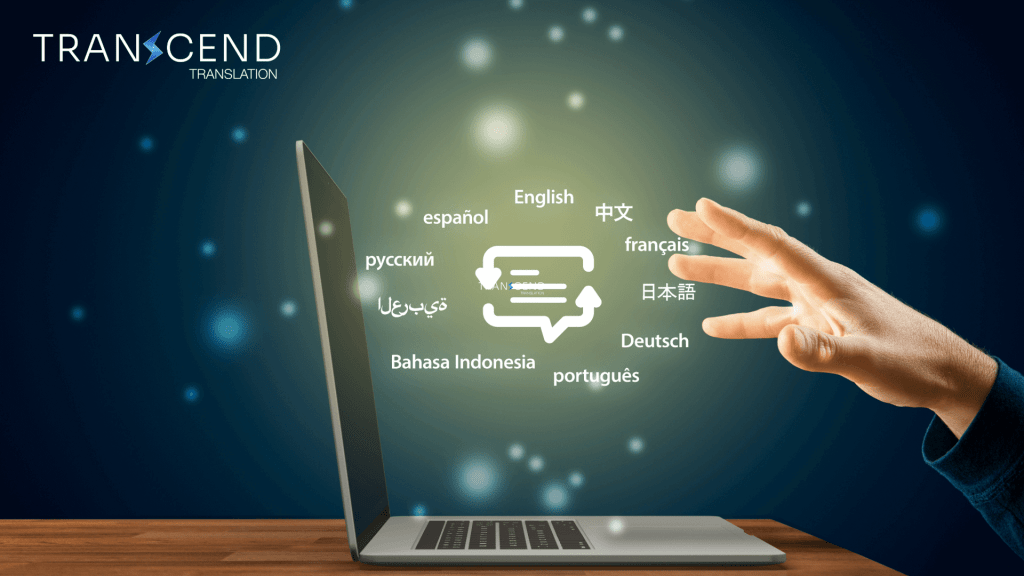

Storyline 360 is a powerful eLearning authoring tool used by educators and trainers to create engaging, interactive courses. With its versatile features and user-friendly interface, Storyline 360 allows for the development of courses that can be easily translated into multiple languages, reaching a global audience. Translating eLearning courses created with Storyline 360 is essential for organizations looking to expand their reach and cater to diverse learners. In this blog post, we will explore best practices for translating courses created with Storyline 360, ensuring your content is effective and accessible worldwide.
Understanding Storyline 360
Storyline 360 is known for its robust set of features that make course creation intuitive and efficient. Its popularity stems from its ability to create interactive and multimedia-rich content that enhances learning experiences. When translating Storyline 360 courses, it’s crucial to ensure that the translation process maintains the integrity and interactivity of the original content. Accurate translation is vital to preserve the educational value and user experience of Storyline 360 courses.
Preparing Your Storyline 360 Course for Translation
To ensure a smooth translation process, it’s essential to prepare your Storyline 360 course from the outset. Designing your course with translation in mind involves using clear and simple language, avoiding idioms and culturally specific references, and maintaining a clean file structure. This preparation will make it easier to export content for translation and ensure that translators can accurately convey the intended meaning.
Exporting Content for Translation
Exporting content from Storyline 360 for translation involves several steps. It’s crucial to use translation-friendly formats, such as XLIFF files, which allow for efficient text extraction and reintegration. Ensure that all translatable elements, including text, audio, and video, are accounted for. Properly exporting content minimizes the risk of missing or incorrectly translating elements, maintaining the quality of your Storyline 360 courses.
Working with Professional Translators
Hiring professional translators is essential for achieving high-quality translations for your Storyline 360 courses. Professional translators have the expertise to handle complex content and ensure cultural relevance. When choosing a translation service, look for those who are experienced in eLearning and familiar with Storyline 360. Providing translators with context and reference materials, such as glossaries and style guides, will help them deliver accurate and consistent translations.
Implementing Translations Back into Storyline 360
Once the translation is complete, the next step is to import the translated content back into Storyline 360. This process involves checking for formatting and alignment issues that may arise during reintegration. Ensuring that audio and video elements are synchronized with the translated text is also crucial. By carefully implementing translations, you can maintain the original course’s functionality and interactivity.
Quality Assurance and Testing
Quality assurance (QA) is a critical step in the translation process. Thorough testing of translated courses helps identify and resolve any issues related to language, formatting, or functionality. Conducting QA in multiple languages ensures that all learners have a seamless experience. Gathering user feedback and making iterative improvements based on this feedback will enhance the overall quality of your Storyline 360 courses
Leveraging Storyline 360’s Features for Multilingual Courses
Storyline 360 offers several features that support the creation of multilingual courses. Utilizing these features can create a seamless learning experience for users in different languages. For example, Storyline 360 allows for easy switching between languages within a course, ensuring that learners can access content in their preferred language without disruption. By leveraging these features, you can create effective and engaging multilingual Storyline 360 courses.
Learning from Real-World Examples of Translated Storyline 360 Courses
Examining real-world examples of translated Storyline 360 courses can provide valuable insights and best practices. Case studies highlight the challenges and successes experienced by organizations that have translated their eLearning content. Learning from these examples can help you avoid common pitfalls and adopt strategies that have proven effective in the field of Storyline 360 course translation.
Following best practices for translating courses created with Storyline 360 is essential for delivering high-quality, accessible eLearning content to a global audience. By preparing your courses for translation, working with professional translators, and leveraging Storyline 360’s features, you can ensure that your translated courses maintain their educational value and interactivity. Implementing thorough quality assurance and learning from successful case studies will further enhance the effectiveness of your multilingual Storyline 360 courses. Contact our professional translation services to help you achieve global eLearning success with Storyline 360.